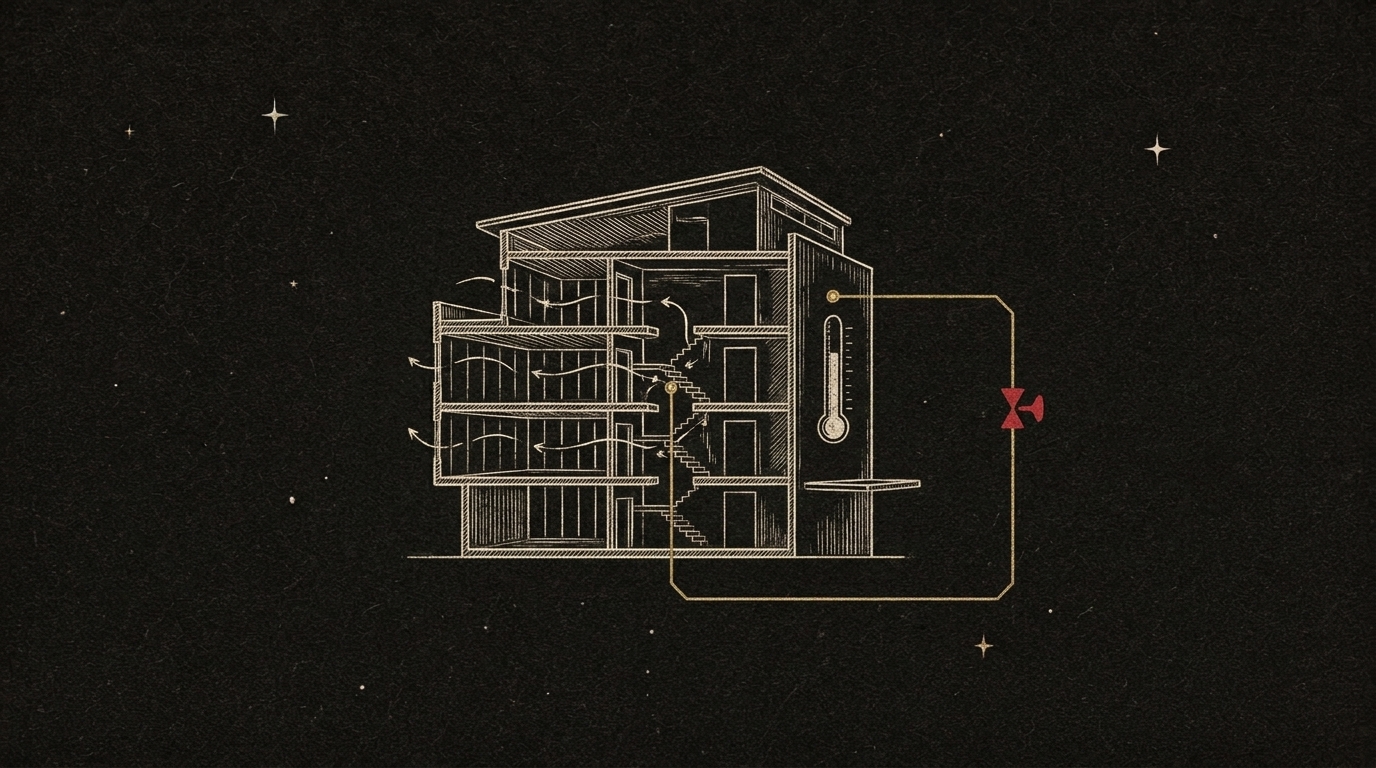
Heating, ventilation, and air conditioning (HVAC) systems in commercial and industrial facilities account for one of the largest shares of global electricity consumption. Yet deploying Reinforcement Learning (RL) agents in real-world buildings has historically hit a fundamental bottleneck: a control policy trained on the thermodynamics and sensor layout of one building frequently fails when transferred to another.
To tackle this generalization barrier, researchers from the University of Washington, Columbia University, and Harvard University, in partnership with Kajima, Distyl, and KODE Labs, are hosting the NeurIPS 2026 Smart Buildings Competition on Kaggle, featuring a USD 40,000 total prize pool split between the main code leaderboard and dedicated scientific paper awards.
The Technical Challenge: Generalization & Transfer Learning in Control
Unlike standard control benchmarks where evaluation environments mirror the training distribution, this competition tests the zero-shot and few-shot transferability of learned policies:
- Constrained Multi-Objective Optimization: Agents must minimize total energy consumption and carbon footprint while keeping indoor temperature and air-quality metrics strictly within human comfort bounds.
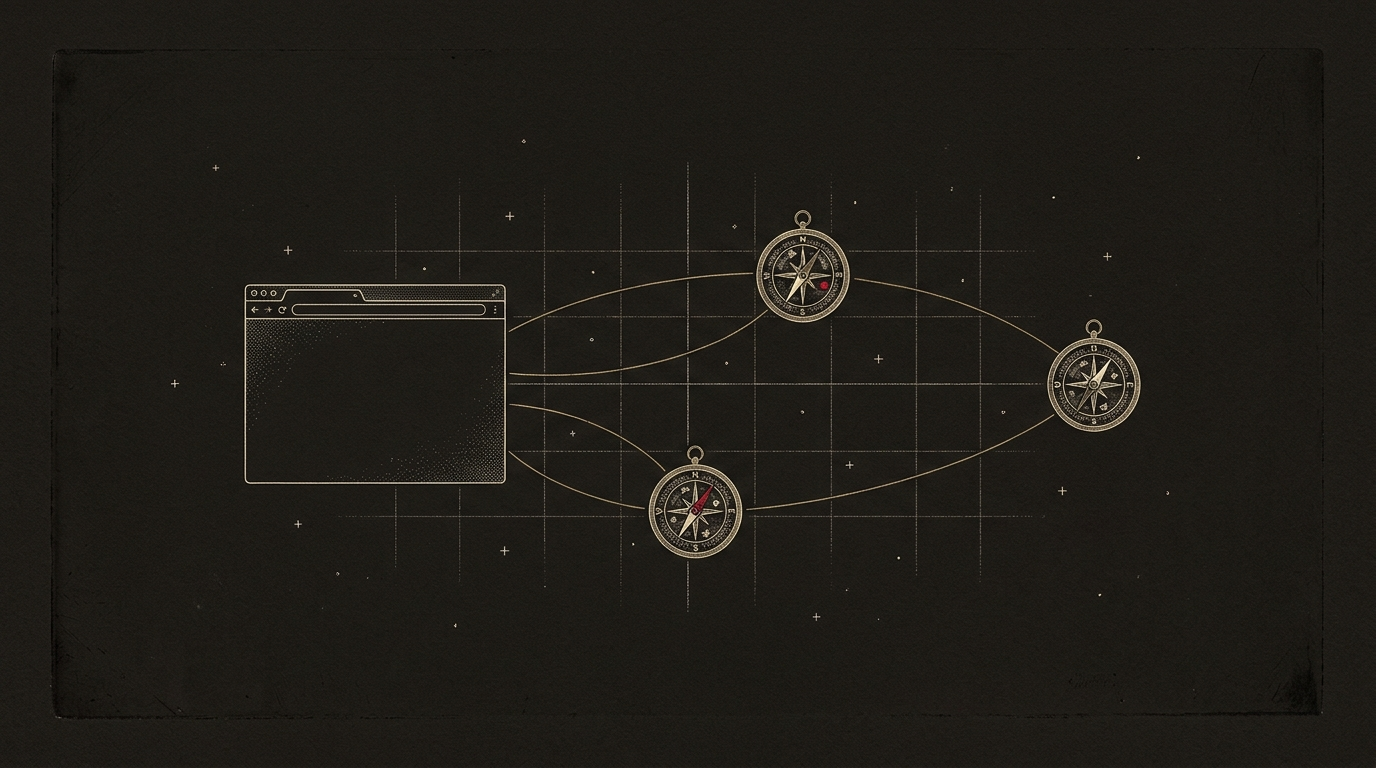
- Generalization to Unseen Buildings: Submitted policies are evaluated across structural thermal dynamics, multi-zone configurations, and weather profiles absent from the primary training set.
- Candidate Architectures: Teams can explore offline reinforcement learning (Offline RL), hybrid differentiable Model Predictive Control (MPC), Decision Transformers, Meta-RL, or graph-conditioned policies that encode building topology.
Prizes
- Main Leaderboard — Kaggle Code Competition (USD 25,000 Total):
- 1st Place — USD 5,750 cash.
- 2nd Place — USD 3,750 cash.
- 3rd Place — USD 3,000 cash.
- 4th to 8th Place (×5 teams) — USD 2,500 each (USD 12,500 total).
- Paper & Research Awards — OpenReview Scientific Track (USD 15,000 Total):
- Research awards (ranging from USD 250 to USD 3,000 per selected paper) recognizing outstanding technical reports and papers that document reproducible, generalizable building-control methods alongside the NeurIPS workshop cycle.
Official Timeline (December 2026 – January 2027)
While part of the NeurIPS 2026 competition program, the active Kaggle evaluation window and final paper submissions run through mid-January 2027:
| Competition Milestone | Official Date | Key Details |
|---|---|---|
| NeurIPS 2026 Workshop Presentation | December 13, 2026 | Competition Track session featuring intermediate findings and discussions. |
| Entry & Team Merger Deadline | January 3, 2027 (23:59 UTC) | Final day to accept competition rules on Kaggle and form or merge teams. |
| Final Submission Deadline (Code & Paper Track) | January 15, 2027 (23:59 UTC) | Final cutoff for Kaggle leaderboard code submissions and final paper awards. |
How to Participate
- Eligibility: Open globally to academic researchers, undergraduate and graduate students, machine learning engineers, and data scientists competing individually or in teams.
- Datasets & Environment: All building telemetry datasets, evaluation simulators, and starter notebooks are available free of charge upon accepting the competition rules on Kaggle.
- Reproducibility Requirement: To claim main leaderboard prizes, winning teams must deliver clean, reproducible source code capable of generating their final control policies.
References
- NeurIPS 2026 Smart Buildings Competition — Kaggle — Official leaderboard portal, datasets, rules, and code submission page.
- Official Competition Website (NeurIPS 2026 Competition Track) — Technical specification for unseen-building transfer evaluation, starter kit, and paper awards.